Auckland Airport - Mānawa Bay

Solar for Auckland Airport's Mānawa Bay outlet centre. Independent design and construction oversight.

No items found.

/ The Result

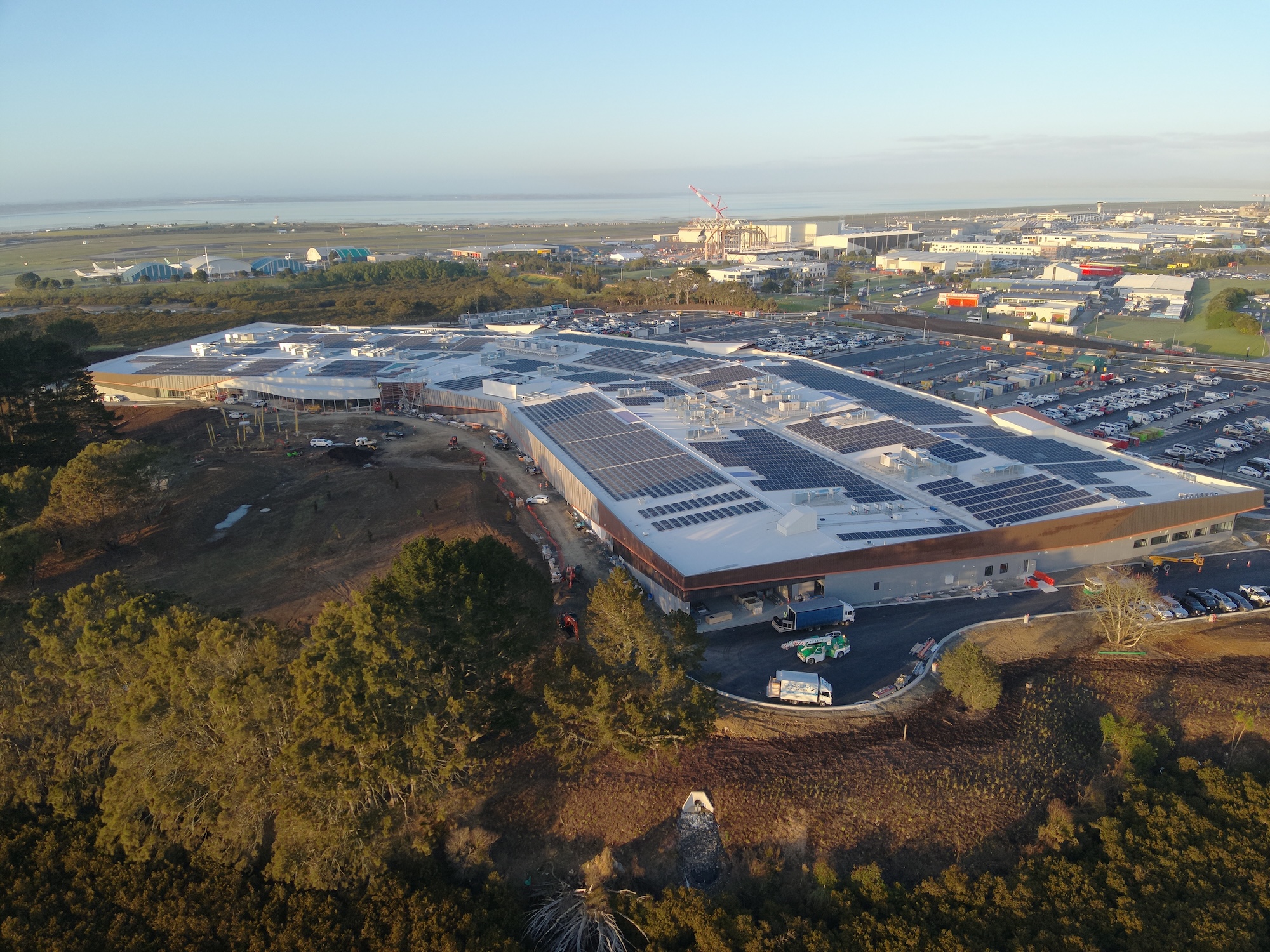
2.29MWp. 3 GWh a year. NZ's first 5 Green Star retail centre.

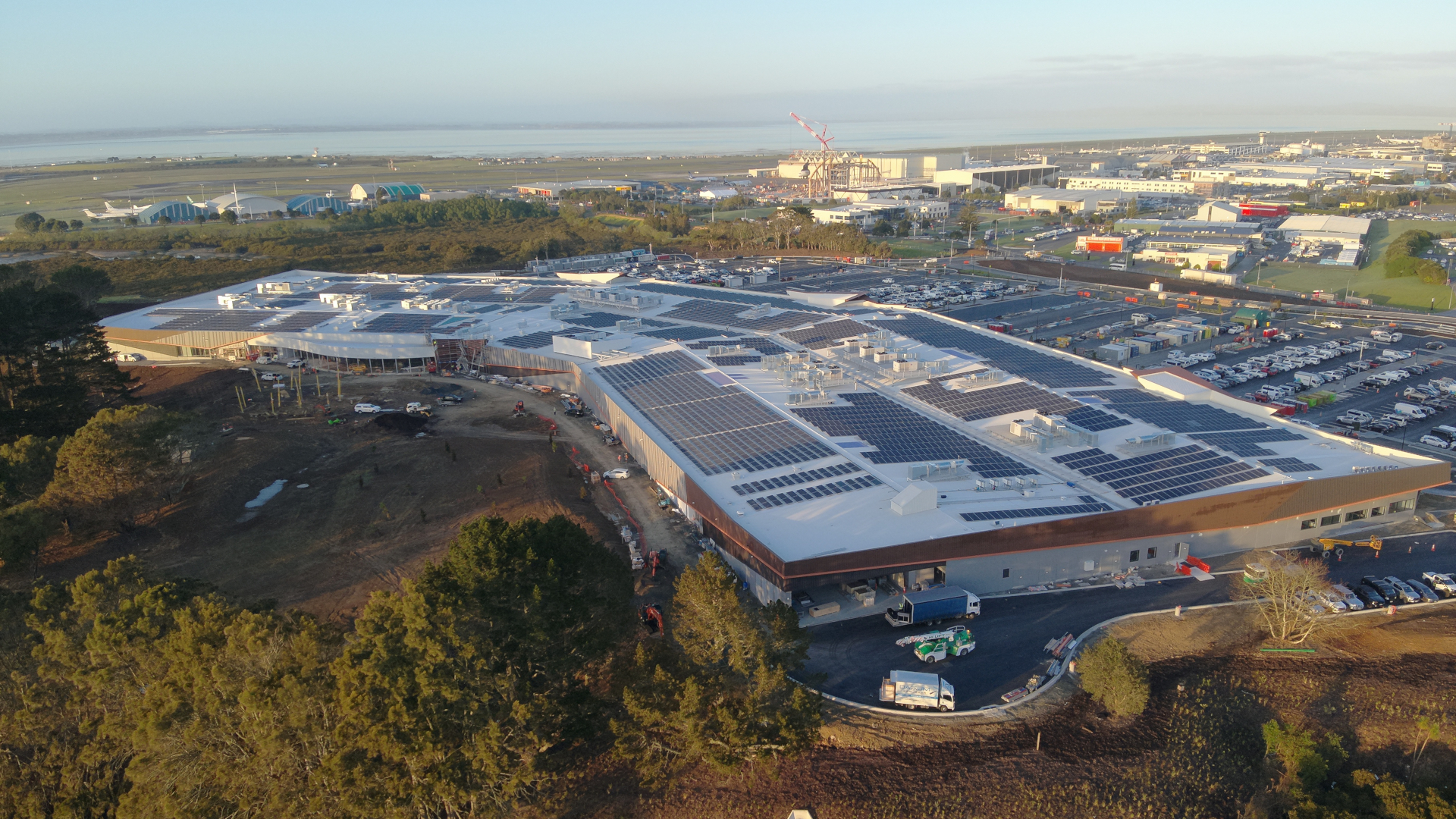
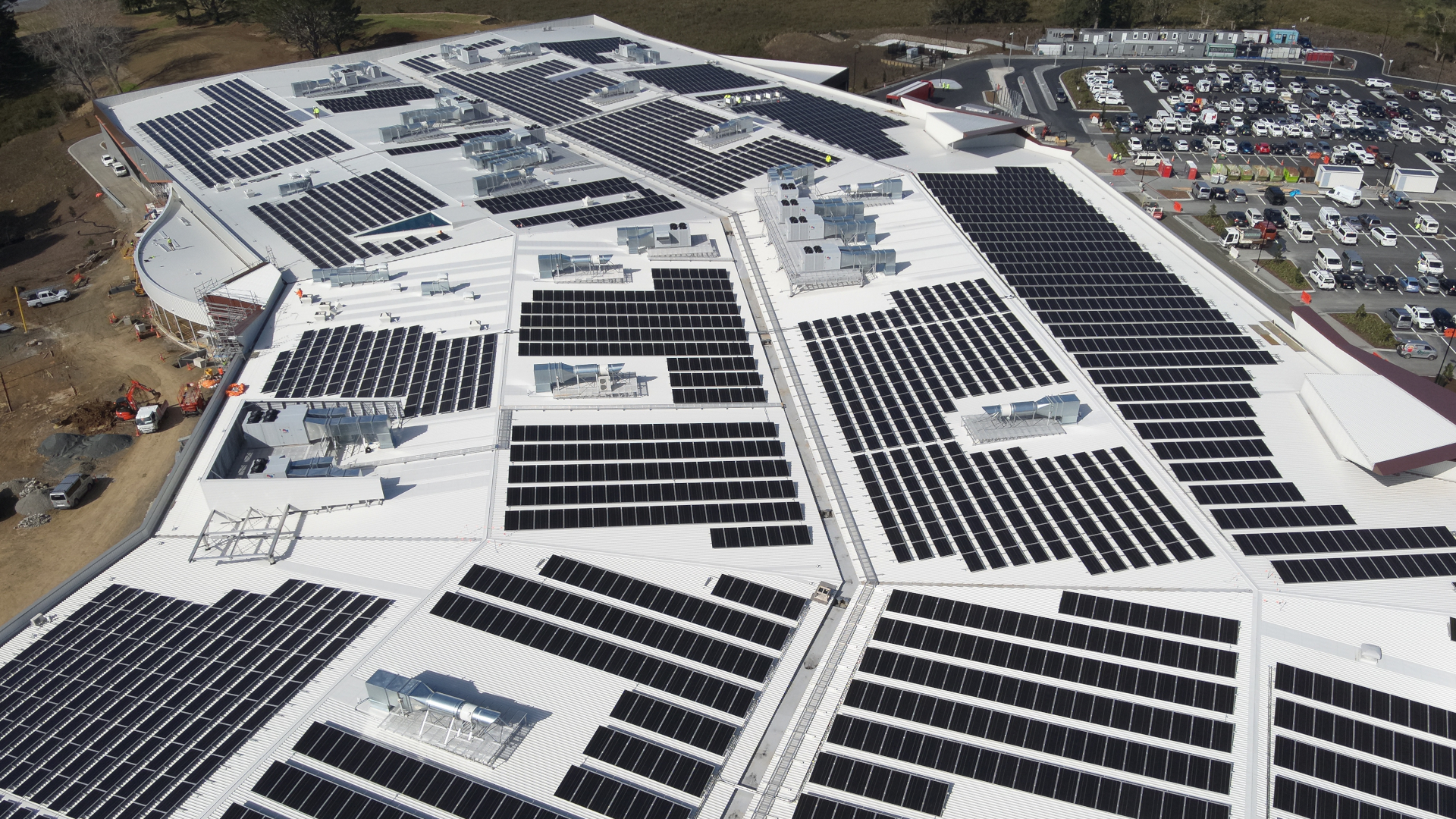
Mānawa Bay opened in September 2024. The 2.29MWp array generates approximately 3 GWh of electricity per year. The project provides a significant portion of the outlet centre’s energy needs. Energy that can not be consumed by the outlet centre, is used by other AIAL facilities on the AIAL embedded network.

Revolve worked on behalf of AIAL, developing the business case and design, and managing the quality of the final installation. Sunergise was the EPC that delivered the project.

2.29MWp

System capacity - 4,603 panels across the Mānawa Bay roof

3 GWh/year

Annual generation

90% by 2030

Auckland Airport's scope 1 and 2 emissions reduction target, against a 2019 baseline

/ Challenge

New Zealand's Busiest Airport Needed Clean Energy at Scale

Auckland International Airport manages a large building portfolio. The organisation is targeting a 90% reduction in scope 1 and 2 emissions by 2030, against a 2019 baseline. Solar was part of the Mānawa Bay concept from the start. It wasn't added later.

Mānawa Bay represented a significant investment for the airport. It was important that the array integrated with the building's design and systems without compromising the building's integrity or performance. Two areas stood out:

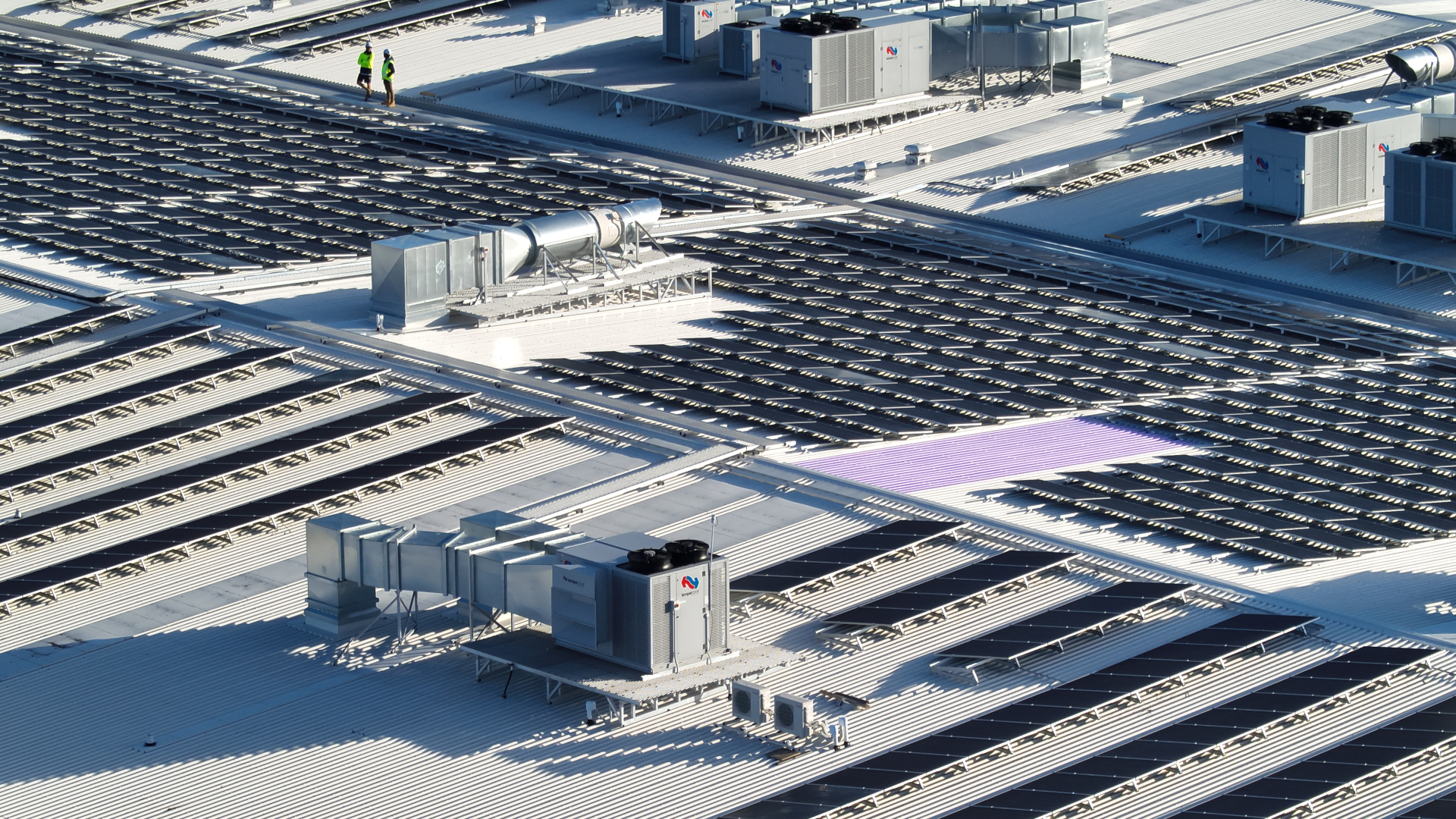
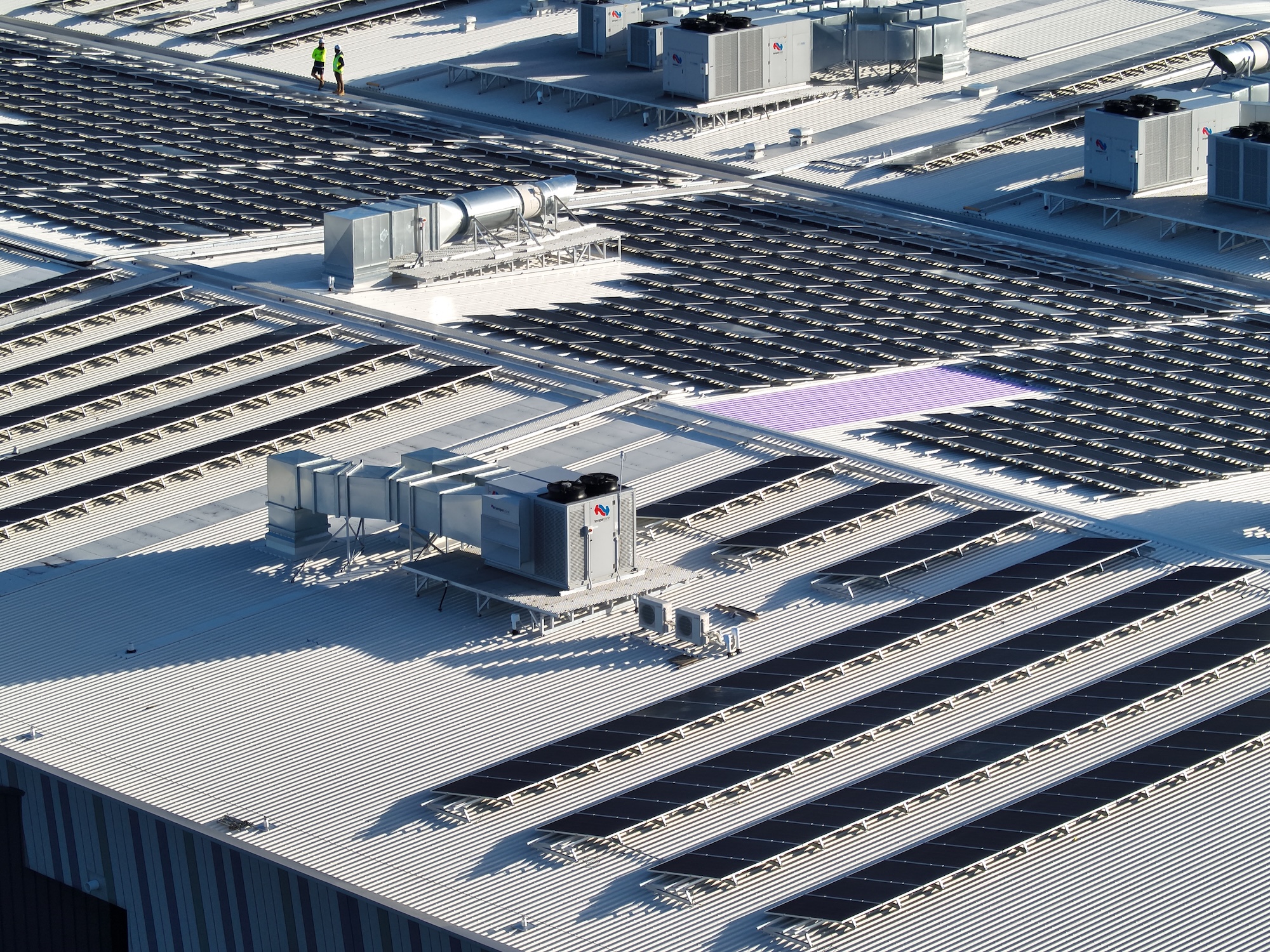
  • Roof layout. Coordinating with the design and location of mechanical plant, walkways, and skylights to maximise the PV array size while avoiding shading.
  • Glint and glare. Avoiding reflections from the array onto the flight path and control tower.

The project needed to clear the airport's investment hurdles.  Achieving the required IRR, contribution to the CO₂ reduction target, and AIAL reputational value. Auckland Airport is listed on the Australian Securities Exchange and reports annually on modern slavery risk. A robust process was followed to select PV modules that had a supply chain had to meet those obligations.

/ Our approach

From Feasibility to Full Operation

Auckland Airport needed confidence that every decision, from system design to contractor selection, was made in their interest. An independent owner's engineer managed the process from feasibility through construction monitoring, with no ties to any equipment supplier or installation contractor.

/ 01

Feasibility

The feasibility study combined PV generation modelling, the building's load profile and tariff projections, to estimate annual cashflows across the system's life. Auckland Airport completed its own financial modelling in-house, using those inputs to validate the project against its investment criteria. The key hurdle was IRR. The numbers held up and the project proceeded.

/ 02

Design

Close coordination with the building's design team ran throughout this phase. A BIM model was used to resolve clashes between the PV array and roof plant, walkways, and skylights, and to manage shading. Structural loads were verified against the roof design. Fixing details were developed to guarantee the building's waterproofing warranty remained intact after installation. A glint and glare study assessed the array's reflection impact on the flight path and control tower, and the design was adjusted where needed.

Equipment selection went further than cost and performance. Working with the Auckland Airport team, supply chain assessment criteria were developed. Panel manufacturers were approached, documentation reviewed, and companies interviewed directly where possible. The selected supplier demonstrated robust internal processes, external audits, and full traceability through their supply chain. Providing confidence that there were no modern slavery practices.

/ 03

Procurement

A detailed scope and specification enabled a competitive tender against a clearly defined brief. Three pre-qualified contractors were recommended to the main contractor. With the winning bid selected through a robust assessment process. The result was a market-tested price with no ambiguity about what was being built.

/04

Construction monitoring

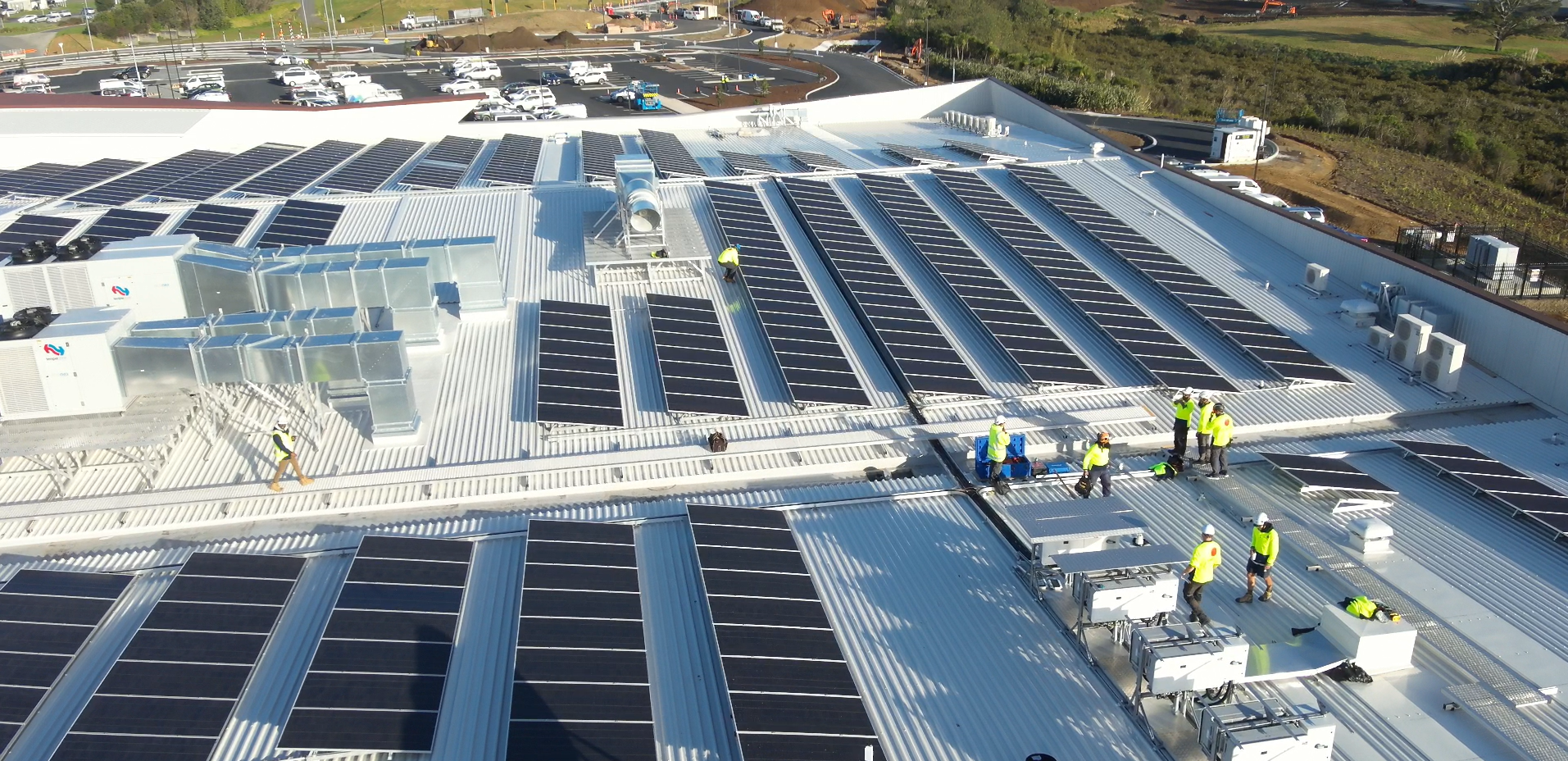
Revolve worked on behalf of AIAL to ensure a high-quality installation. This involved review of contractor design submissions, regular site inspections, and as-built and commissioning reviews. Sunergise delivered a high-quality installation working closely with Revolve’s engineers to agree and approve construction details and practices.

Architectural sketch illustration

/ The Delivery

Independent Eyes on a Live Construction Site

Most businesses approach solar without knowing what they’re missing, the right system size, the battery opportunity, the full lifecycle cost. With five to ten vendors involved and no one accountable for the whole picture, it’s easy to end up with a project that underdelivers from day one.

Revolve worked on behalf of Auckland Airport to ensure that the contractor's design and installation met the required quality and performance standards. This involved reviewing contractor design submissions, regular site inspections, review and validation of commissioning results, thermographic imaging, review of all completion documentation, and end of DLP inspection and sign-off.

Quality of work on site was generally excellent.

Revolve’s drone technology was valuable to complement visual inspections by the team.

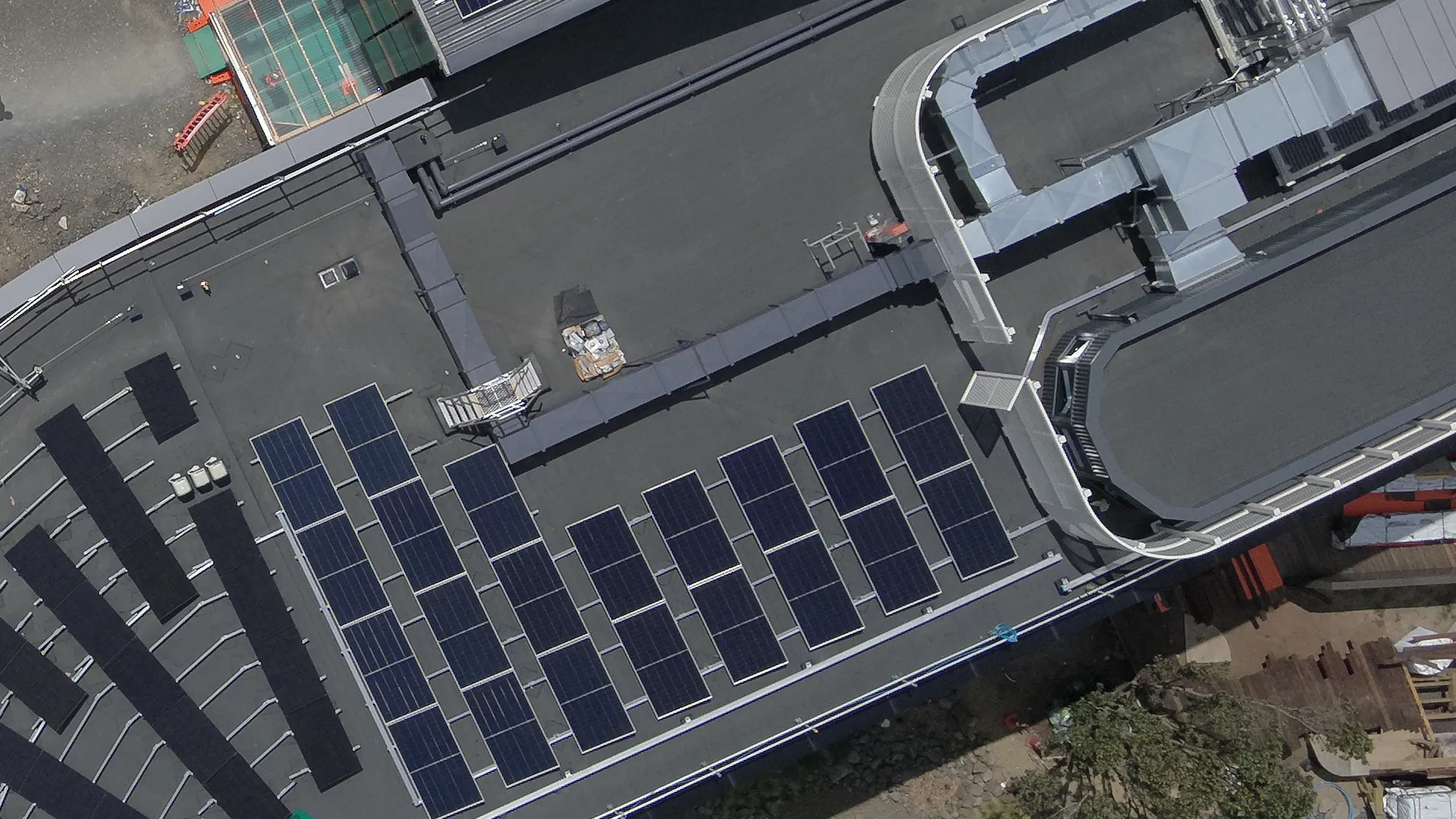
  1. During construction monitoring, an RGB survey identified clashes and shading caused by incorrectly located plant decks. This was caught early, allowing the required changes to the layouts to be made.
  2. Thermographic imaging during commissioning identified an incorrectly wired string that standard testing procedures could not identify.
/ Testimonials

Trusted by New Zealand's Best.

“Revolve Energy has an deep understanding of the solar energy market, products and technology. Their thorough approach and expert independent technical guidance have enable us to deliver two of New Zealand’s leading rooftop solar systems.”

Peter Donovan, Head of Delivery, Auckland International Airport

/ Beyond the Project

Beyond Mānawa Bay

In parallel, Revolve fulfilled the same role for the Transport Hub where a 1.2MWp array was installed. The two projects together deliver 3.49MWp of solar generation across the airport precinct.

/ Results

Real Projects. Real Outcomes.

We help businesses and community groups realise their renewable energy goals. Take a look at our projects to find out how.

Stanmore Road Apartments - Grey Lynn

Our second Cohaus project. 35 apartments where residents will benefit from centralised community-owned utilities.

Edgewater Resort Hotel - Battery and Solar

Using solar and batteries to turn complex network tariffs into significant savings.

Discuss your idea

Talk to us about your project. We’ll help you understand the renewable energy landscape and provide impartial, no-strings advice tailored to your site and situation.

Discuss your idea

Arrow icon

Request capability statement

Learn more about our projects and experience delivering projects like yours.

Request Capability Statement

Arrow icon