/ 01
Feasibility
The feasibility study combined PV generation modelling, and the building's load profile and tariff projections, to estimate annual cashflows across the system's life. Auckland Airport completed its own financial modelling in-house, using those inputs to validate the project against its investment criteria. The key hurdle was IRR. The numbers held up and the project proceeded.
/ 02
Design
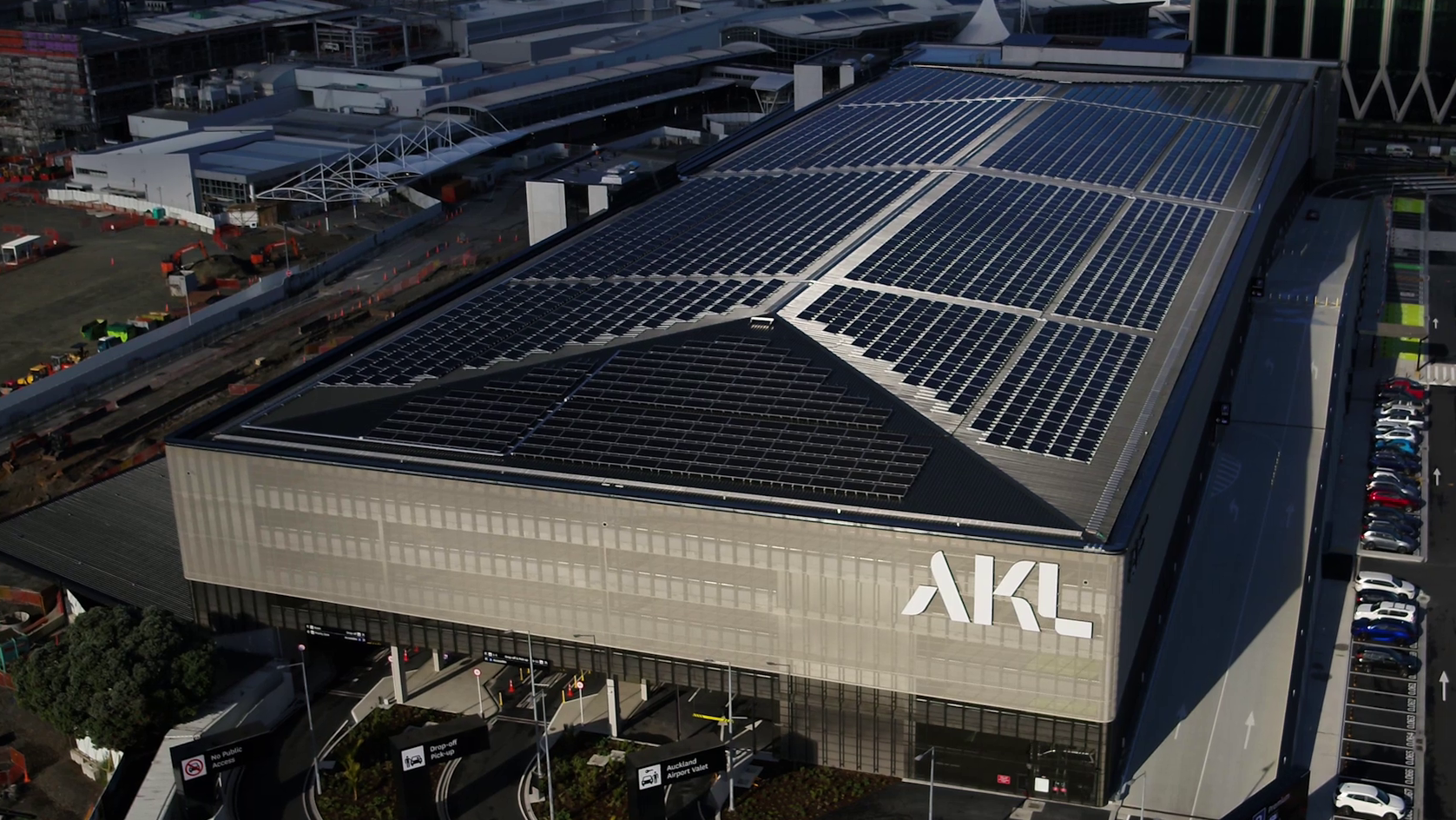
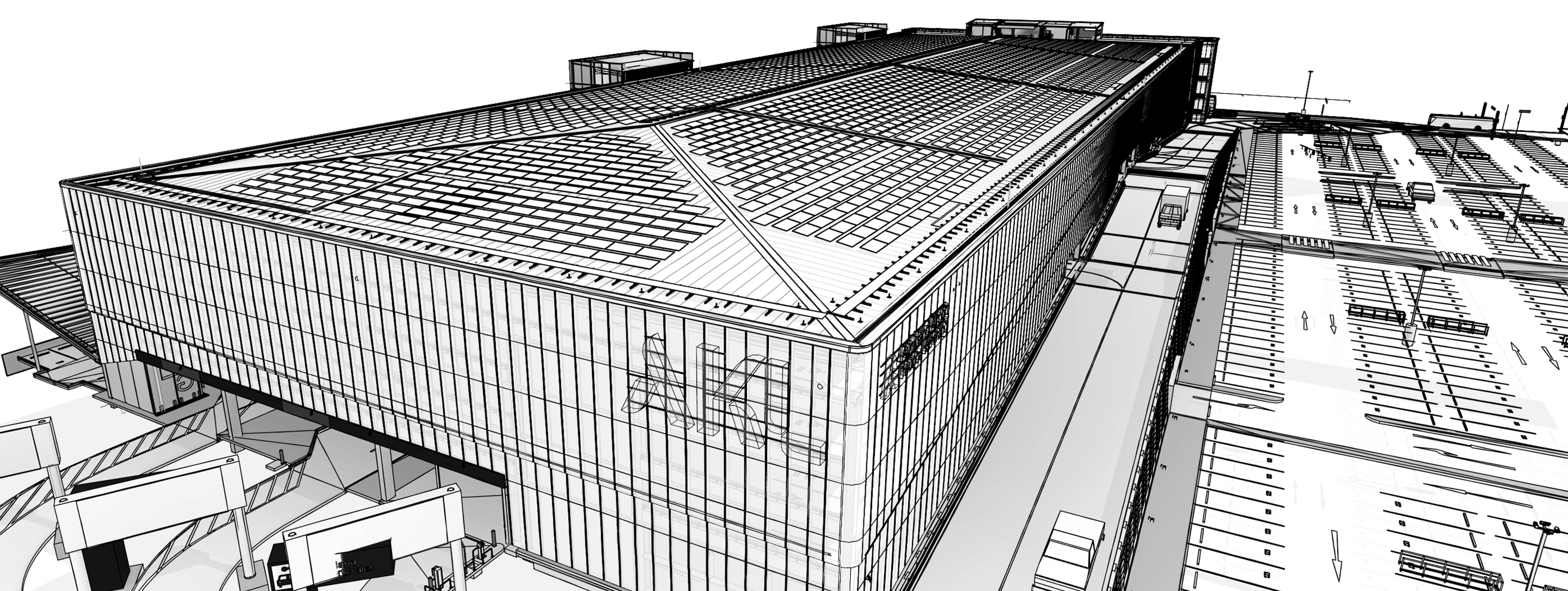
Revolve coordinated closely with the building's design team throughout this phase, using a BIM model to integrate the system with the wider building design before construction began. We verified structural loads against the roof design and selected fixing clamps that worked with the roof cladding profile to maintain the roof warranty. A glint and glare study assessed the array's reflection impact on the flight path and control tower, and the design was adjusted where needed.
Our equipment selection considered more than cost and performance. We worked with the Auckland Airport team to develop a supply chain assessment criteria. We approached panel manufacturers, reviewed documentation and interviewed companies where possible. We selected a supplier with robust internal processes, externally audited systems, and full supply-chain traceability, including clear measures to address modern slavery risks.
/ 03
Procurement
A detailed scope and specification enabled a competitive tender against a clearly defined brief. We recommended three pre-qualified contractors to the main contractor and the winning bid was selected through a robust assessment process. The result was a market-tested price with no ambiguity about what was being built.
/ 04
Construction monitoring
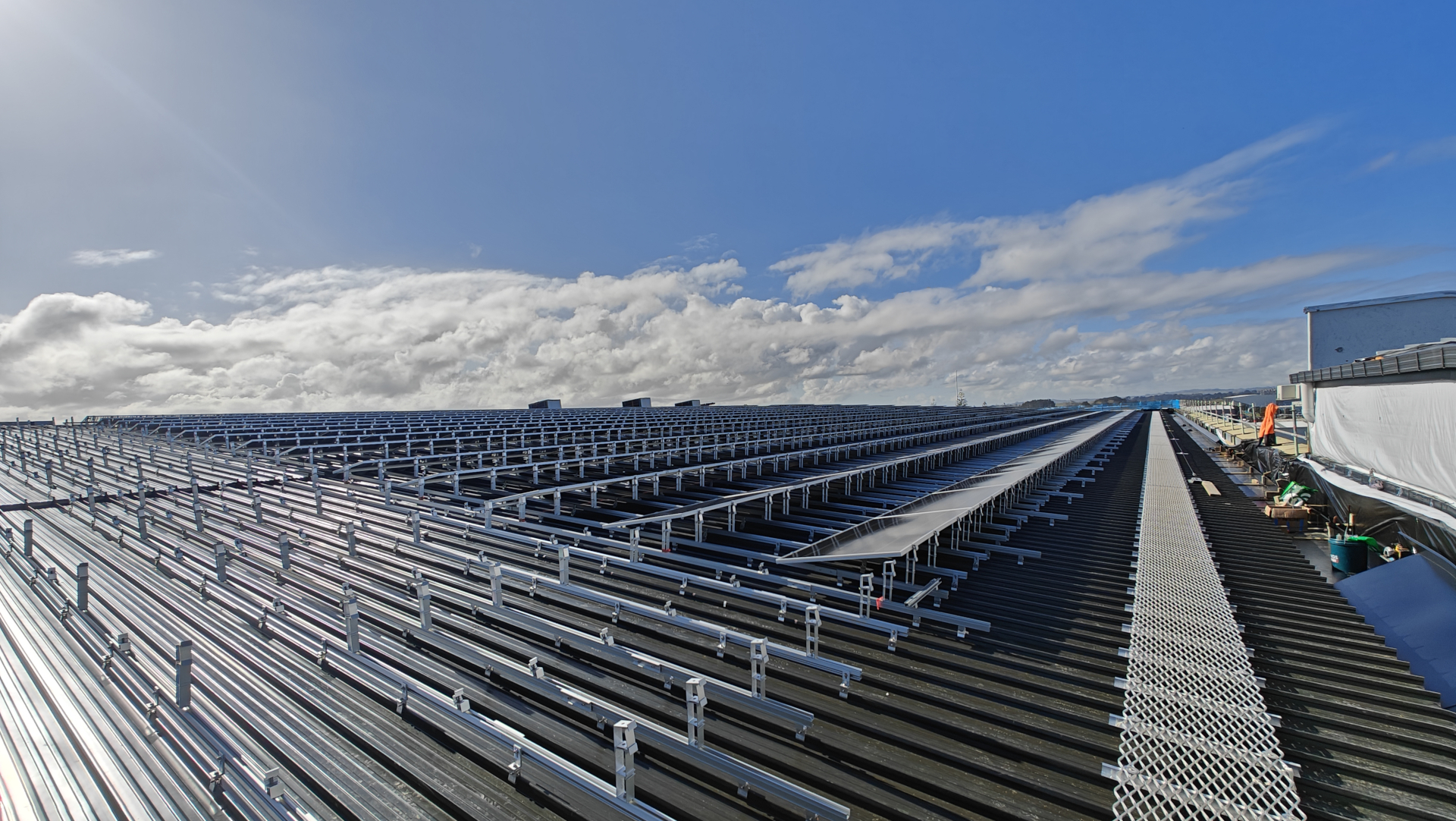
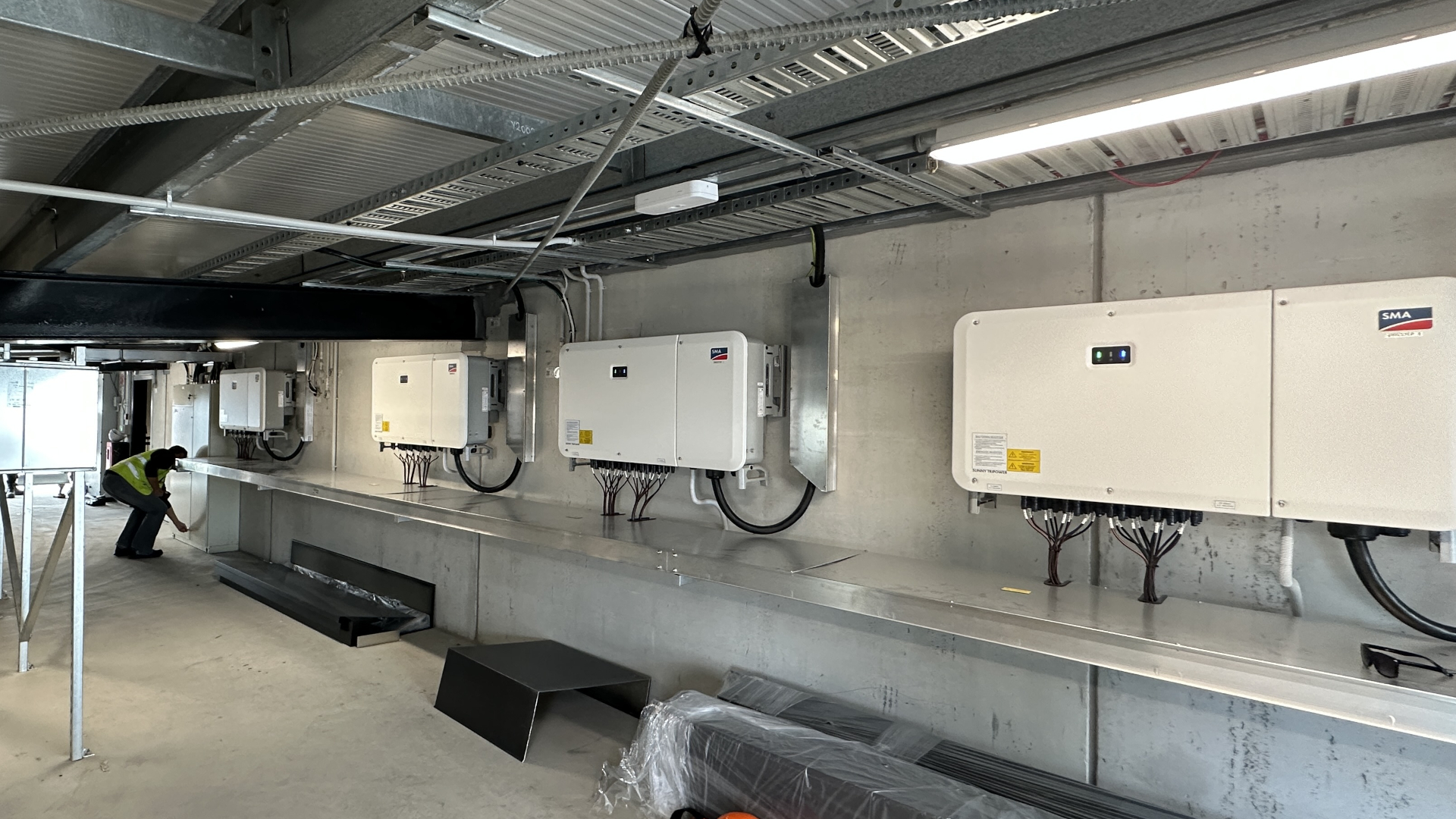
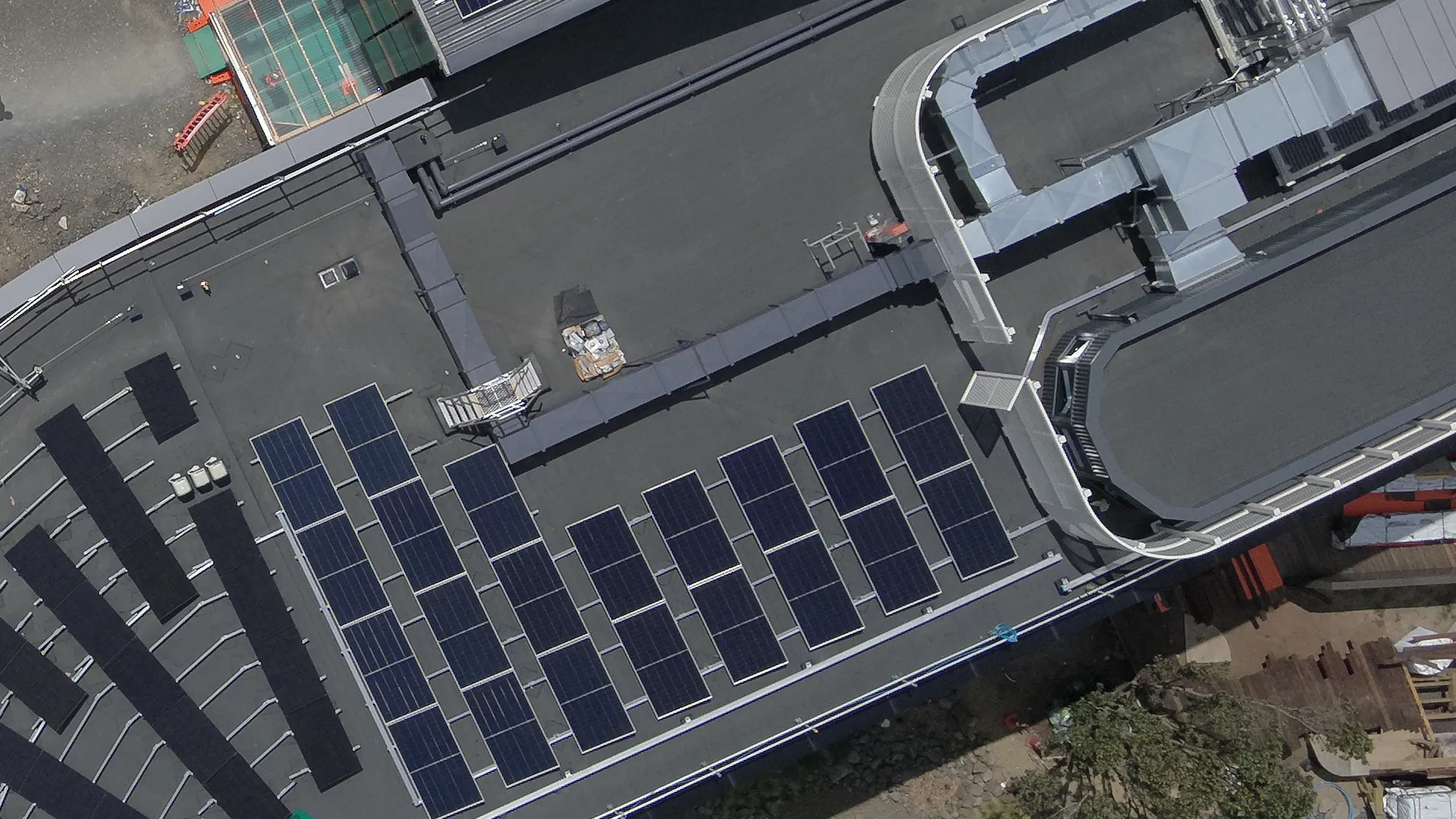
Revolve worked on behalf of AIAL to ensure a high-quality installation. We reviewed the contractor's design submissions, completed regular site inspections, and assessed as-built and commissioning reviews. Sunergise delivered a quality installation while working closely with Revolve’s engineers to agree and approve construction details and practices.